

Optimistic approach to viewing the human kind
Person Centred Theory by Carl Rogers is an optimistic approach to viewing the human kind. It views people in a unique way that enables them to realize their inner strengths.
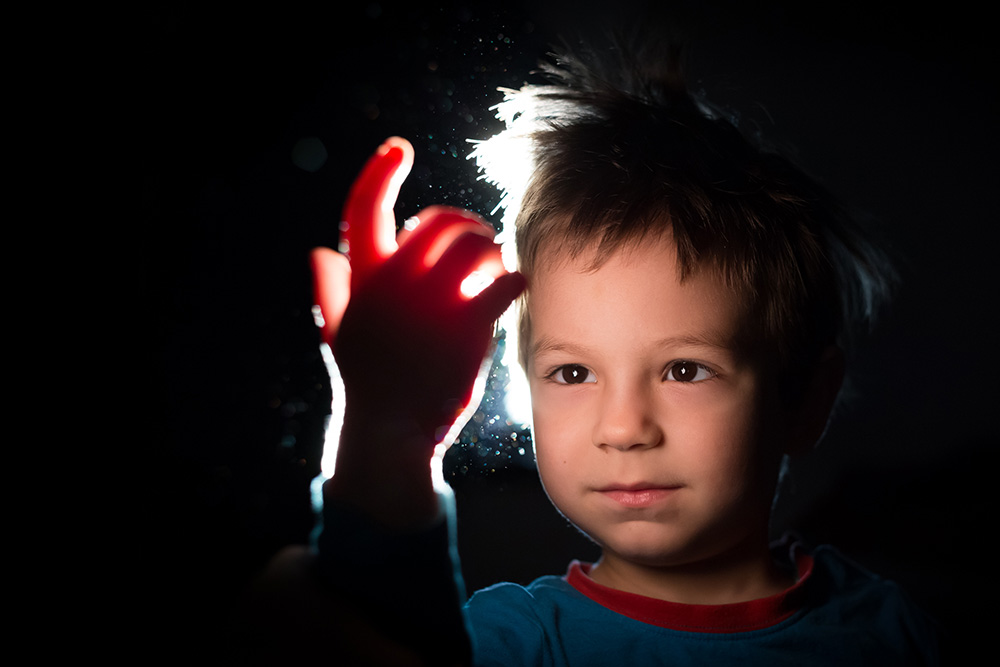
Rogers believed that if we apply an objective and optimistic approach to people, their unique qualities will shine through, bringing an air of positivity. It’s these qualities that are then promoted and praised to facilitate change in areas that are craving it. If we apply this approach to children, we can objectively see them for who they are and the unique qualities that they possess instead of comparing them to a picturesque, unrealistic view of what a child ‘should’ be in today’s day and age.
Rogers further believed that people have an innate need for acceptance, love and affection from the people that surround them. By creating an environment where children feel accepted, loved and receive affection along with a gentle promotion of their unique qualities, they will in turn feel grounded within themselves and their environment. By focusing on their unique qualities, their self-esteem and self-concept becomes more positive. Once praise is given through personal attributes rather than actions performed, unconditional love is truly practised. Conditional loving is referred to by Carl Rogers as receiving love only on the condition that one has performed an action to receive the love. Conditional loving is good in the promotion of good manners and social etiquette, however, makes a child feel unheard or misunderstood if it is a common theme in their life for all areas.
A child learns best under conditions where they feel grounded, safe and secure, where anxiety is minimized and they are able to stay present and enjoy the moment. Ensuring that children feel understood, loved and cared for are a good foundation for healthy learning!
References
Barlow, H.,& Durand, M. (2009). Abnormal Psychology: An integrative approach. Fifth edition. Wadsworth Cenage Learning: USA
Recent Blog Posts
-
Diverse ‘My Family’ Flashcards.
... -
Promoting Diversity in Childhood
Did you know that inequality is very often a le... -
Teaching Children about Inequalities & Social Injustices
It’s never too young to start educating our chi... -
Self – esteem in Children
We believe self-esteem in children to be the mo... -

How Kids Learn through Observation
Observational Learning is exactly what it sound...